Pediatric Clinic HIS · Healthcare / HIS · 2025
Pediatric Clinic Management System
Digitizing end-to-end clinical examination, vaccination & pharmacy workflows.
- #HealthcareHIS
- #SystemAnalysis
- #DFD&3NFERD
- #URDSRS
 Expand
Nhi Đồng 315 operates high-volume pediatric outpatient and vaccination services. Our team analyzed the clinic's end-to-end operations from parent arrival to pharmacy dispensing and post-vaccination monitoring, producing a complete 59-page system specification, normalized 3NF database architecture, and role-based interfaces.
View CV- Role
- Business Analyst
- Team size
- Team of 5
- Timeline
- 2025 (16 Weeks)
- Deliverables
- 59-Page SRS, BFD, DFD L0–L2, 3NF ERD, UI Wireframes
Context
Pediatric clinics face unique operational pressures: patients are young children accompanied by anxious parents, visits often combine acute examination with scheduled immunizations, and medication dosages depend strictly on accurate weight and age measurements. During our on-site observation, we found that fragmented paper slips between Reception, Doctors, Nurses, and Cashiers created queuing blind spots and repeated manual data entry.
Business Goals & Objectives
- Digitize and unify the end-to-end patient journey across 6 clinic roles and 7 functional modules.
- Eliminate duplicate data entry between Reception intake, Doctor examination, Vaccination screening, and Pharmacy.
- Ensure 100% traceability of vaccine lot numbers, expiration dates (FEFO), and mandatory 30-minute post-vaccination observation.
My Role & BA Responsibilities
- Conducted on-site workflow observation, stakeholder interviews, and As-Is Information Flow Diagram (IFD) mapping.
- Authored the Business Function Diagram (BFD), Context Diagram, Level 1–2 DFDs, and 11-entity 3NF ERD.
- Designed UI wireframes for core modules and co-authored the comprehensive 59-page System Requirements Specification (SRS).
Approach
“In clinical software, clarity beats decoration: every screen was structured around reducing cognitive load for doctors and nurses during peak morning hours.”
 Expand
Process & Workflows
Two clinical pathways, one unified patient record.
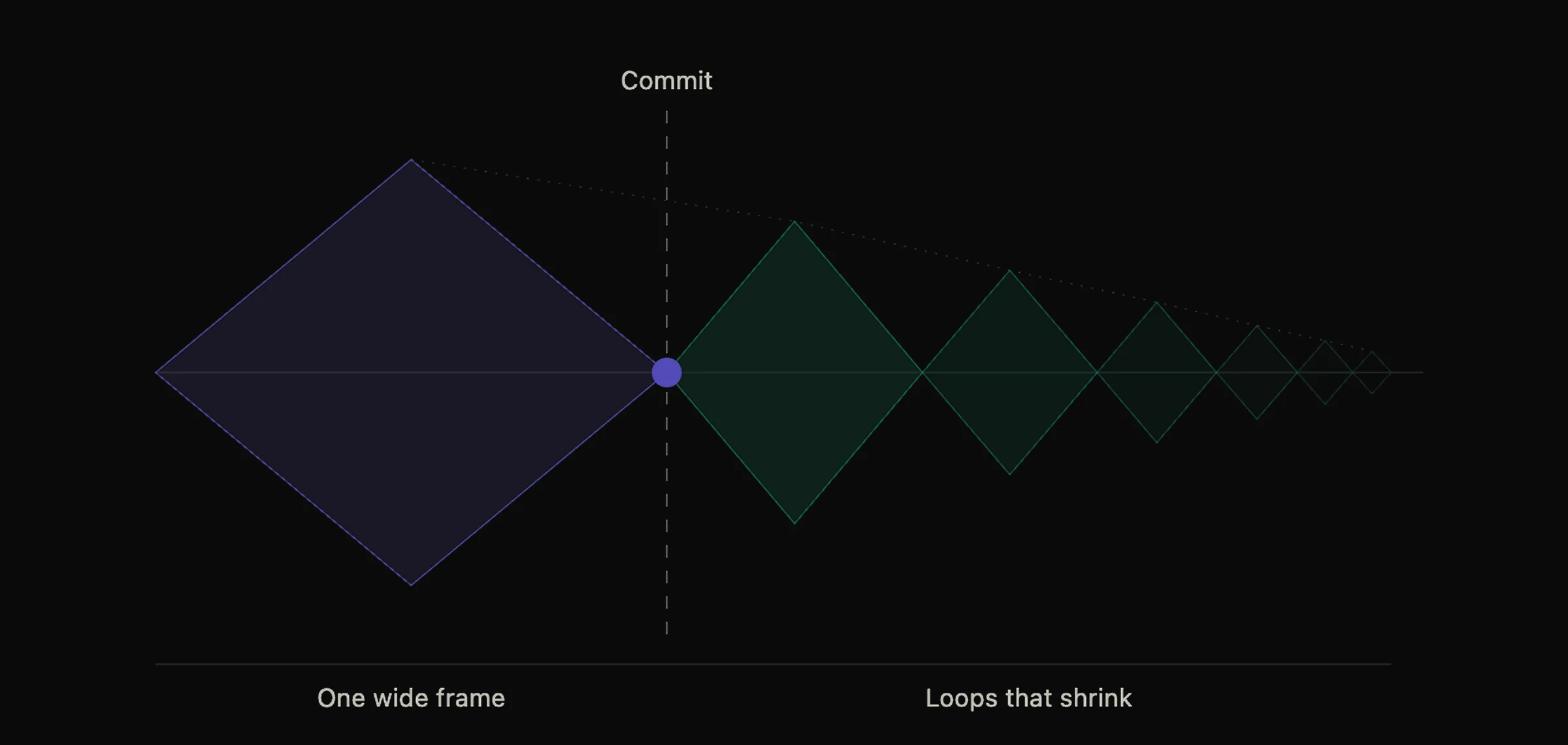
A pediatric visit typically branches into two specialized tracks after Reception & Vital Signs: either Acute Pediatric Examination (Doctor → Prescription → Pharmacy) or Preventive Immunization (Pre-screening → Payment → Injection → 30-min Post-Watch).
We modeled the Business Function Diagram (BFD) and Level 0–2 Data Flow Diagrams (DFD) so both tracks share a single electronic Pediatric Profile, Vital Signs history, and centralized Cashier billing queue.
By separating pre-vaccination screening from pharmacy dispensing at the queue level, parents no longer wait in the same line for two fundamentally different clinical services.
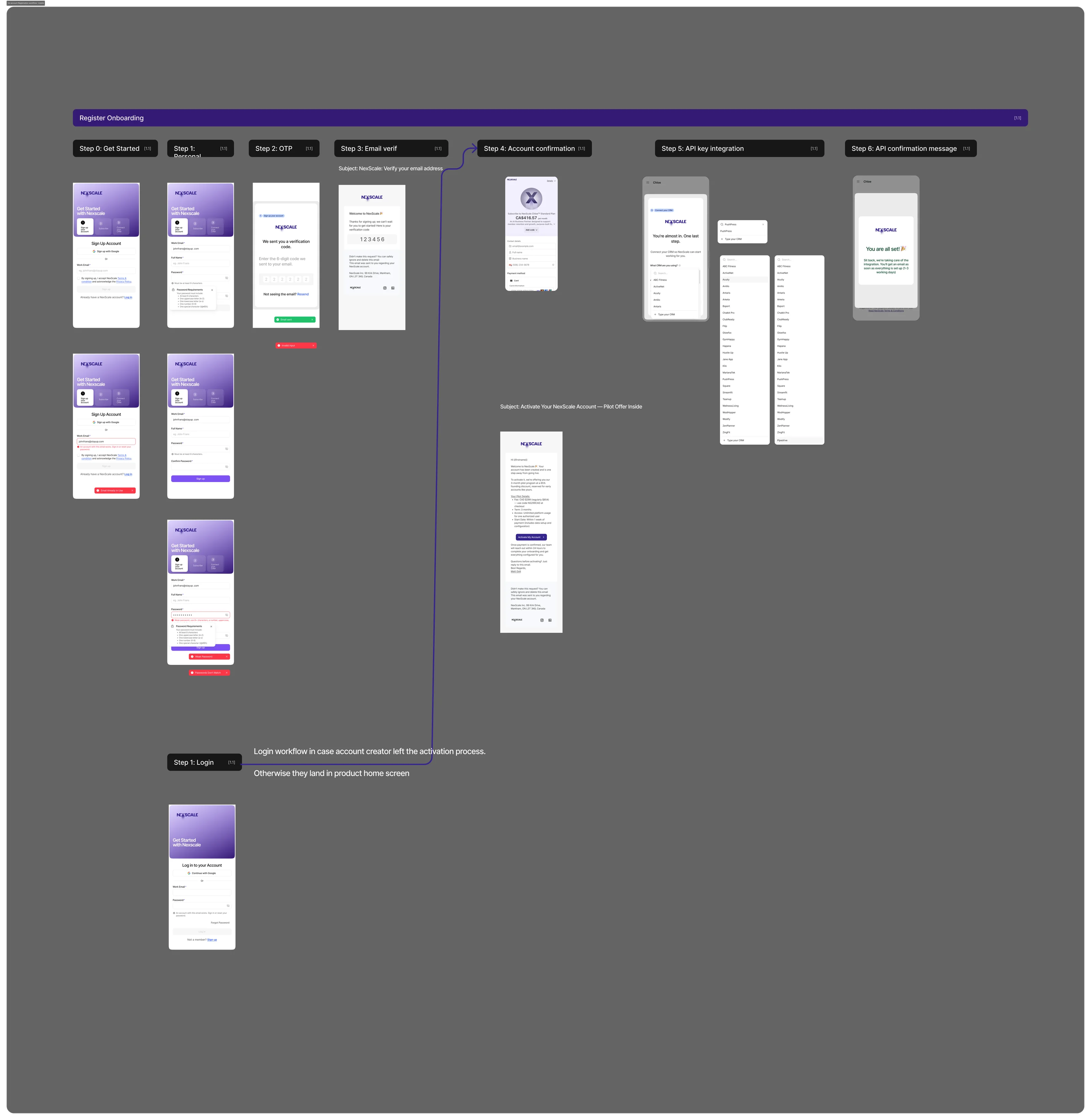
Hierarchical DFD & Swimlane Handoffs
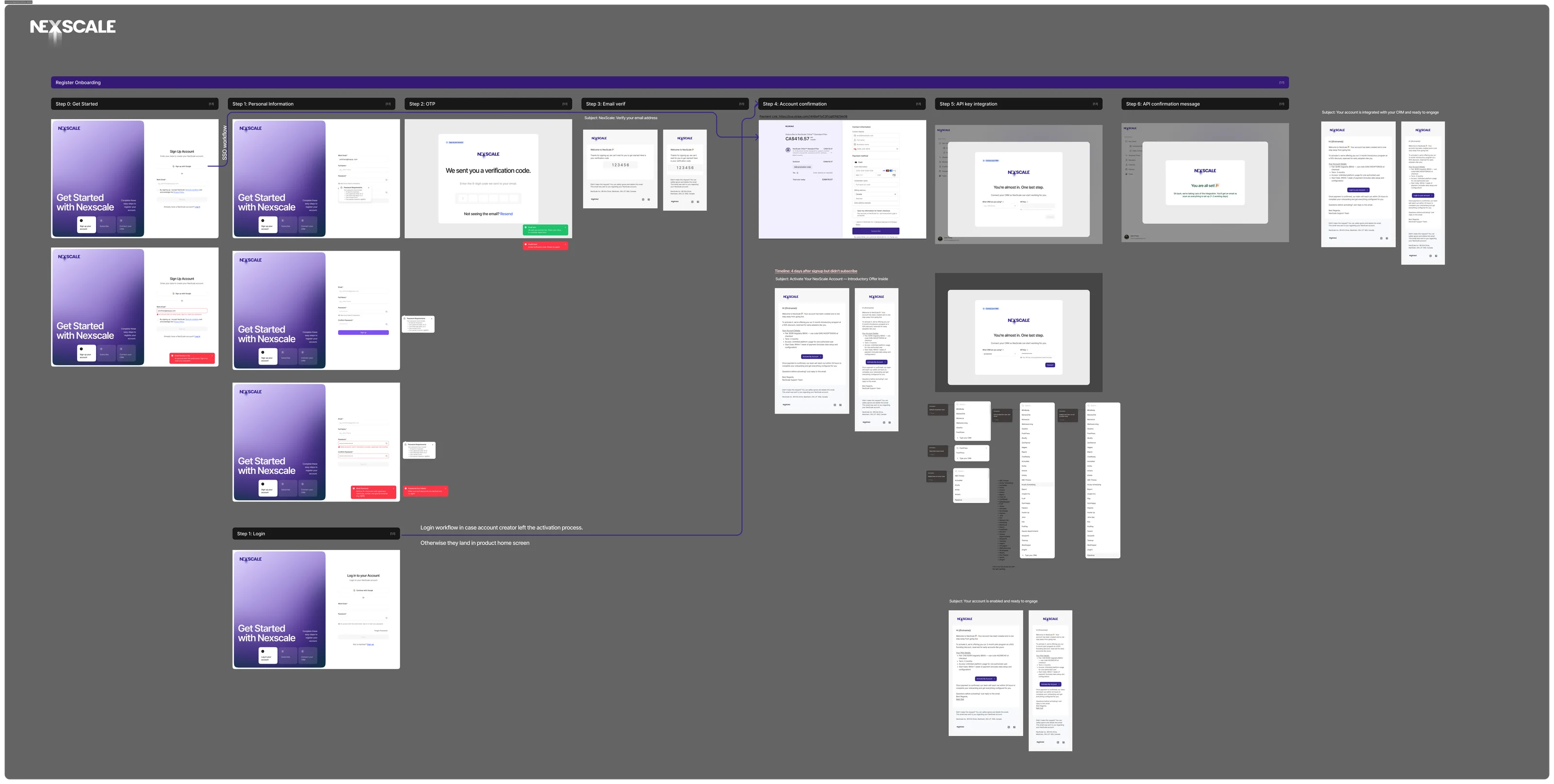
Every process node in Level 1 and Level 2 DFDs was mapped directly to inputs, outputs, and persistent data stores so engineering could trace every API payload back to a documented business flow.
 Expand diagram
 Expand diagram
Clinical Exception States, Not Just Happy Paths
Our specification covers critical real-world exceptions: deferred vaccination due to fever during pre-screening, partial prescription dispensing when a drug lot is low, weight-based dosage warnings, and adverse post-vaccination reaction logging.
Data Model & Business Rules
11 normalized entities in Third Normal Form (3NF).
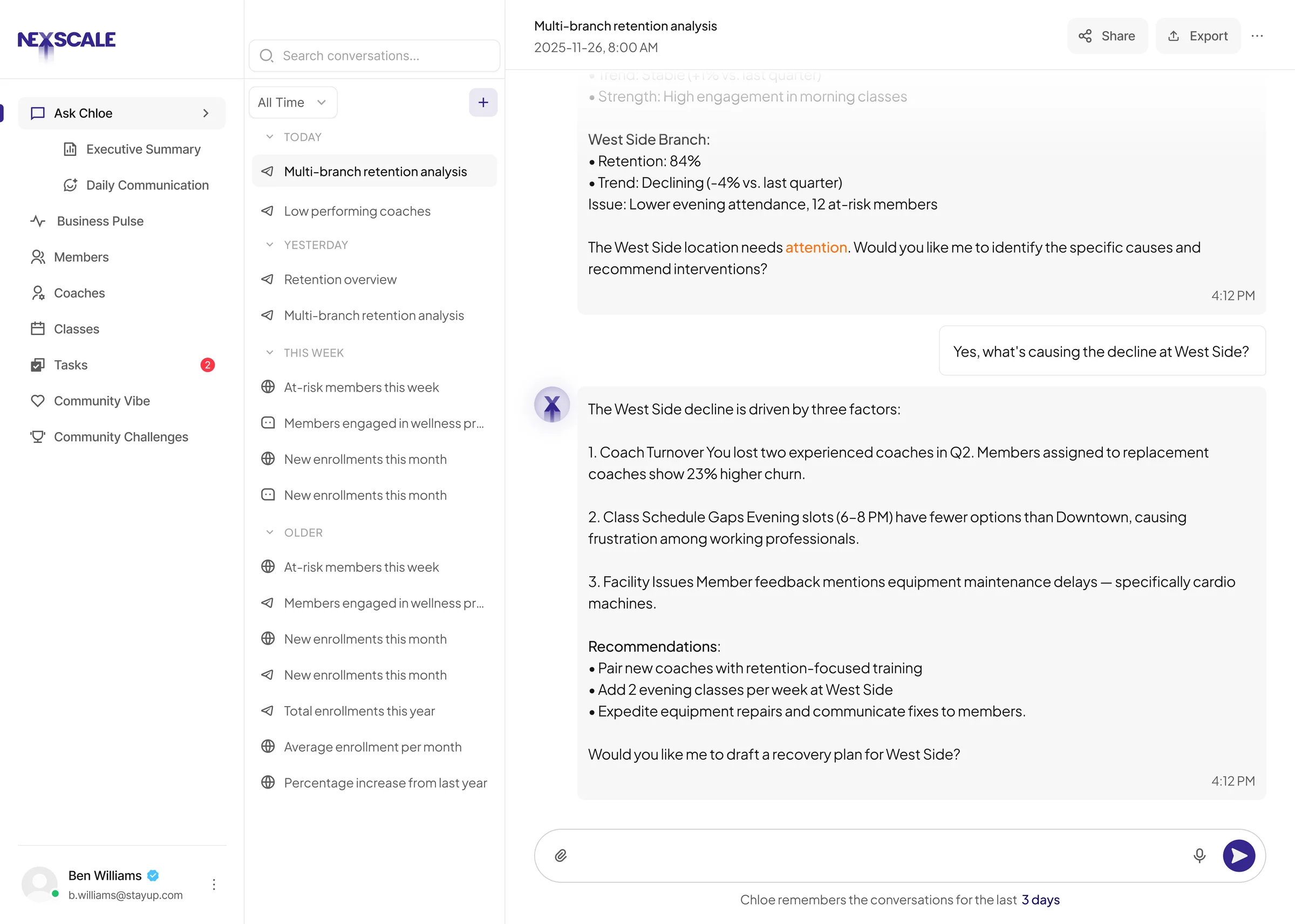
To prevent data anomalies across thousands of returning pediatric visits, we normalized the relational schema into 11 core entities in 3NF, separating Guardian accounts from Child Patient records (supporting siblings under one parent phone number).
Inventory transactions are linked to specific Vaccine & Medicine Batches (`LotNumber`, `ExpiryDate`), enforcing automatic First-Expired-First-Out (FEFO) allocation.
Core Relational Schema & Integrity Rules
- 1:N Guardian-to-Patient relationship allowing a single parent account to manage multiple children's immunization schedules.
- Separated ExamRecord, Prescription, and VaccinationRecord to support combined or standalone visits cleanly.
- Batch-level inventory ledger (`VaccineLot` & `InventoryTransaction`) preventing expired lot selection at the nurse workstation.
- Strict Role-Based Access Control (RBAC) matrix across 6 staff roles (Receptionist, Pediatrician, Nurse, Pharmacist, Cashier, Manager).
 Expand ERD diagram
Key Business Rules (BR)
- BR-01 (Dosage Safety): Pediatric prescriptions require a valid weight measurement recorded within the last 24 hours before submission.
- BR-02 (Vaccine Eligibility): A vaccine order cannot transition to 'Ready for Injection' without a signed Pre-Screening Checklist (`Temperature < 37.5°C`).
- BR-03 (Post-Watch Timer): Completing a vaccine administration automatically starts a 30-minute observation countdown on the Nursing Dashboard.
- BR-04 (FEFO Stock Deduction): Pharmacy and Vaccine dispensing automatically allocate from the earliest-expiring active lot.
Wireframes & Acceptance Criteria
Designed for high-speed clinical accuracy.
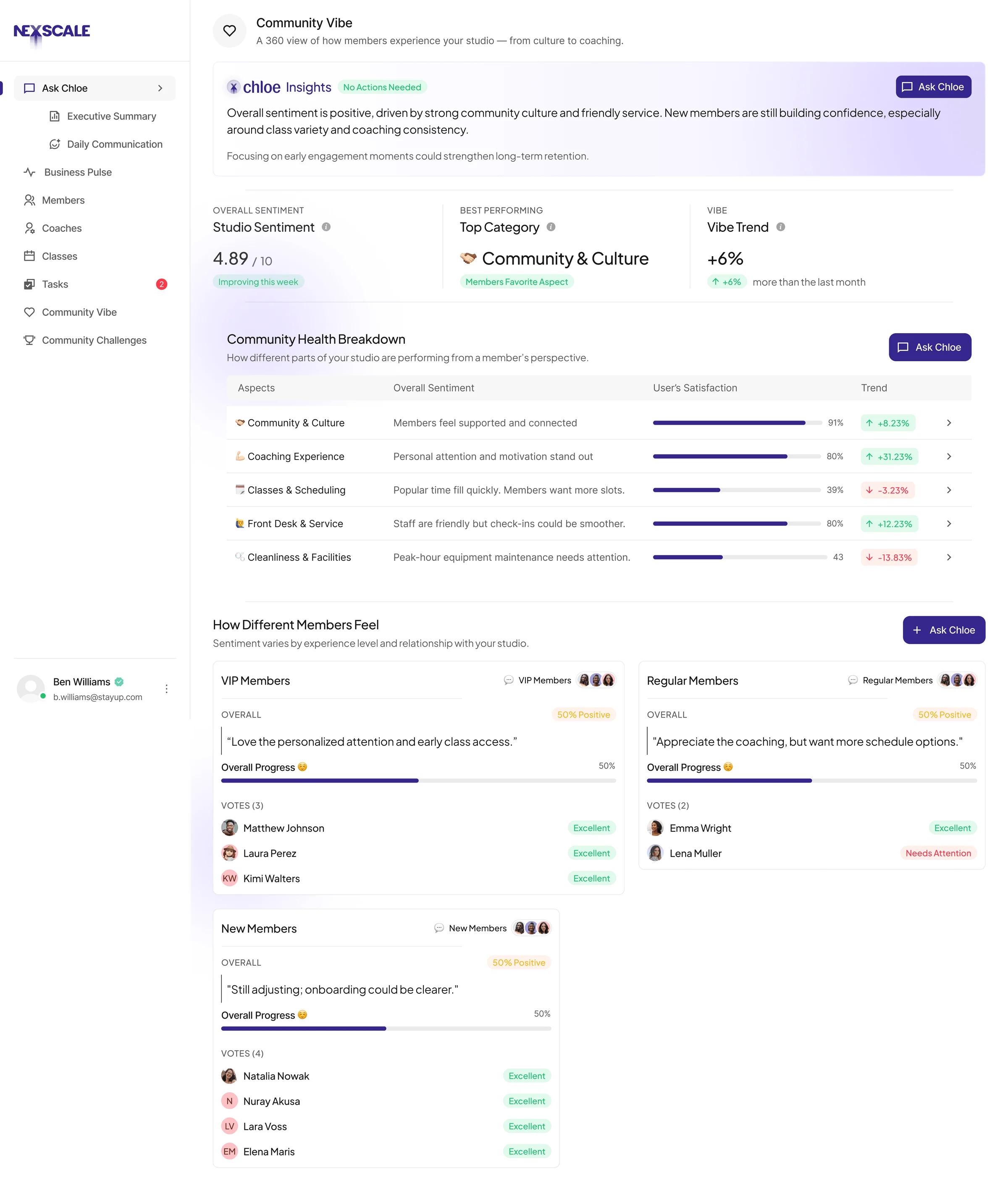
We translated our DFD processes and 3NF data attributes directly into screen wireframes for all 7 modules, kèm theo data field mapping và validation rules chi tiết trong báo cáo 59 trang.
Tables, status badges, and queue tickets use consistent semantic color tokens so staff can scan waiting rooms at a glance.
Sample Acceptance Criteria (Given / When / Then)
- GIVEN a child is checked in for vaccination, WHEN the pediatrician records a body temperature >= 37.5°C in pre-screening, THEN the system blocks vaccine payment and flags the visit as 'Deferred – Medical Hold'.
- GIVEN a doctor submits an electronic prescription, WHEN the cashier confirms invoice payment, THEN the prescription appears in real time on the Pharmacy Dispensing Queue with pre-allocated FEFO batch numbers.
- GIVEN a nurse marks a vaccine dose as 'Administered', WHEN the timestamp is saved, THEN a 30-minute countdown timer is triggered and the visit cannot be closed until post-watch status is recorded.
Expand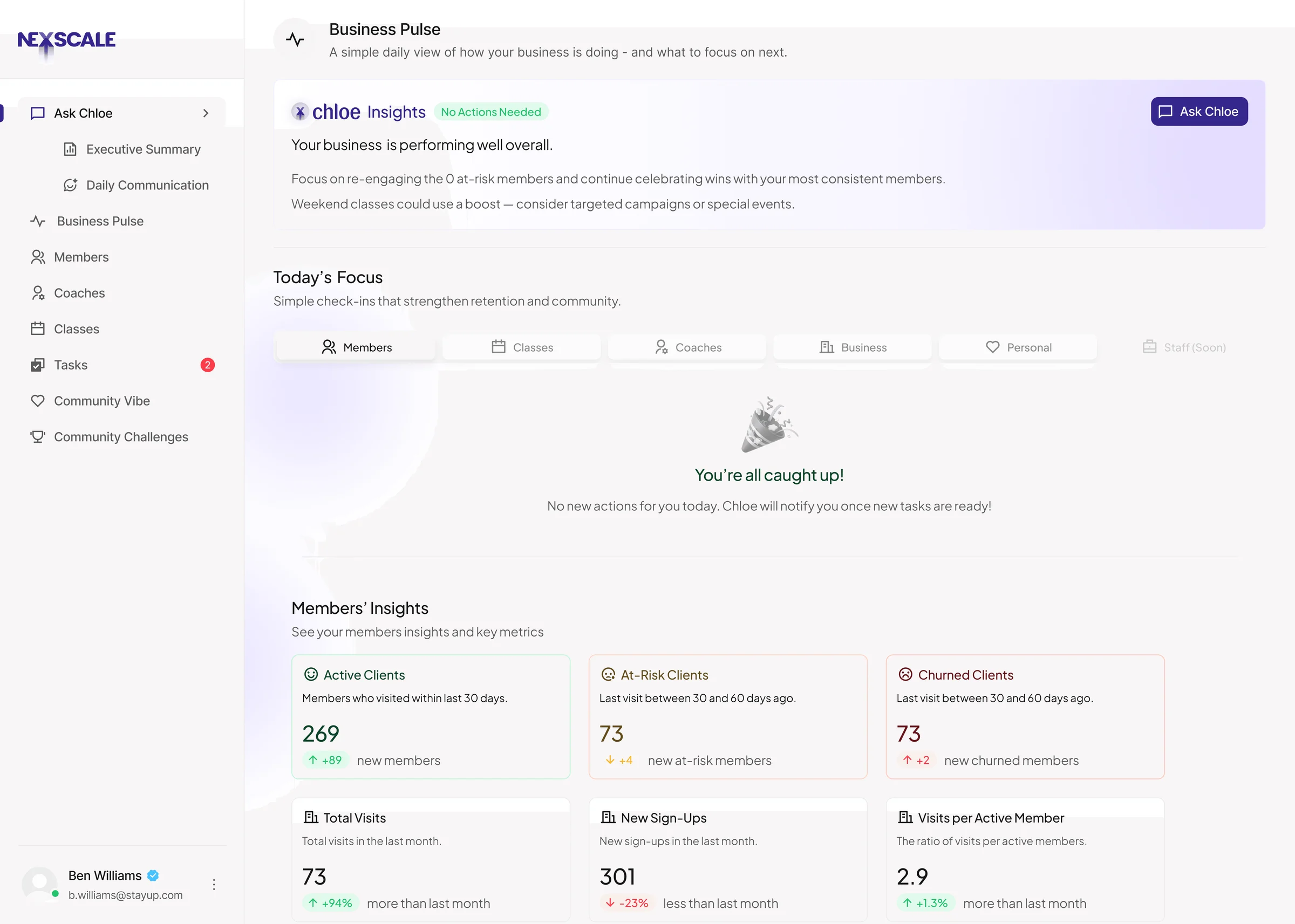 Expand
 Expand
 Expand